- Home
- About NZDFI
- Our Science
- For Growers
- For Wood Users
- Library
- Contact



- Home
- About NZDFI
- Our Science
- For Growers
- For Wood Users
- Library
- Contact
Project Update July 2025 - June 2026
In this issue:
Early notice of national NZDFI field day to be held on Wednesday 17th February 2027 in Hawkes Bay
Nurseries licenced to propagate XyloGene® seedlings
Selection and deployment of elite E. bosistoana for short rotation hardwood forestry project
Mapping and assessment of 2021 E. globoidea 2nd generation seed orchard in Hawkes Bay
E. globoidea seed collection completed in Gippsland, Victoria
Proseed propagation update on E. globoidea
Updates from UC/NZDFI’s PhD students

|



Since our last Project Update ...
It’s been 18 years since NZDFI was established. We have made significant gains in genetically improving drought-tolerant eucalypts that produce naturally ground-durable hardwood.
Our forestry research outcomes now provide a market- and science-based pathway for those who want to diversify. Therefore, we are planning a national field day on the potential for a NZ durable hardwood industry to be held on Wednesday 17th February 2027 in Hawkes Bay.
During this past year, we have had seven nurseries become licenced growers of XyloGene® seedlings for sale under our royalty system.
We have made significant gains in genetic improvement of E. bosistoana despite limited R&D funding. This was possible by successful completion of a 1-year project funded by Forest Growers Levy Trust.
We have undertaken mapping and assessing one of our 2nd generation E. globoidea seed orchards planted 2021 in Hawkes Bay. There’s been excellent growth and early flowering with a commercial collection of improved seed being planned this year.
We have collected and imported seed from 153 E. globoidea mother trees located in native forest reserves in Gippsland. These are to add an infusion of additional genetics and future proof our breeding programme.
In addition, the team of PhD students at UC’s School of Forestry have been making excellent progress in completing their research projects.
Early notice of national NZDFI field day to be held on Wednesday 17th February 2027 in Hawkes Bay
Sustainable durable eucalypt forestry is feasible for many North Island regions and Marlborough, Nelson and North Canterbury. This field day is targeted to forest growers and farmers interested in the potential for durable hardwood forestry as a productive land use in areas where more intense summer droughts are likely to become more frequent.
NZDFI has a vision for New Zealand to develop a future hardwood supply chain by strategically establishing a multi-regional durable eucalypt forest resource of 60,000 ha by 2050. One of the regions identified with excellent potential is Hawkes Bay.
Significant research investment has been made in Hawkes Bay with 10 NZDFI trials established across the region from 2011 to 2021. This region therefore, offers an excellent location for a national field day to be held on Wednesday 17th February 2026.
The day will include a visit to two properties that host NZDFI trials. Also to hear from some of NZDFI’s science team who have been working to evaluate:
- the potential value of a new durable hardwood industry in New Zealand
- growth rates and biomass yields produced by durable eucalypt species in New Zealand
- options for utilising naturally durable hardwood for vineyard posts and poles and other products
- alternative potential markets, including bioenergy, for biomass residues
- practical aspects of growing, harvesting, processing and utilising durable eucalypts
- growing durable eucalypts under the Emissions Trading Scheme.
This field day will be open to growers interested in the potential for durable hardwoods and those people and organisations that have supported NZDFI to learn about what has been achieved.
We have the generous support of local NZFFA Hawkes Bay members and of several sponsors for this national field day to promote the emerging hardwood forestry sector. The workshop will be by registration only.
Put this date in your calendar and watch for the field day programme and registration form to be released in August. Contact info@nzdfi.org.nz for any enquiries.
↑ Top
Nurseries licenced to propagate XyloGene® seedlings
If you or someone you know want to get planting stock, then contact one of our licenced nurseries to place an order for XyloGene® improved durable eucalypt seedlings.
These include:
- Morgans Road Nursery, Marlborough Morgans Road Nursery
- Kauri Park Nursery, Auckland Kauri Park — New Zealand wholesale native and urban landscaping plant nursery.
- Awapuni Nurseries Ltd – Forestry – Awapuni Nurseries
- Plant Hawkes Bay, Hawkes Bay Plant Hawke’s Bay – Home Of Locally Grown Trees & Shrubs
- Appletons – Order Online | Appletons Tree Nursery
These nurseries are skilled propagators who can produce high grade forestry seedlings from XyloGene® improved seedlots.
Our germplasm has been selected after testing in New Zealand environments with varying biotic and abiotic factors that influence tree growth. Our seedlots have the advantage over unpedigreed provenance collections imported from Australia or those made from NZ stands planted with only one or two provenances.
XyloGene® improved seedlots are collected from our clonal seed orchards (CSO) and our seedling seed orchards (SSO) in north-eastern New Zealand. These seedlots are of mixed elite family origin that has outcrossing vigour and improved wood properties.
Royalty fees are paid to the nursery as part of the seedling cost. The nursery then pays these fees to NZDFIP Ltd to support our R&D programme. For more information go to our website.
XyloGene - Home page - Xylogene Durable Eucalypts
↑ Top
Selection and deployment of elite E. bosistoana for short rotation hardwood forestry project
In December 2024, our research proposal for the selection and deployment of elite E. bosistoana for short rotation hardwood forestry was approved for funding by the Forest Growers Levy Trust. This also included Te Uru Rākau – New Zealand Forest Service contributing some funding with other support from the Marlborough Research Centre and Proseed NZ. This project was led by Associate Prof Clemens Altaner and Frederick Anthonio, a PhD candidate at the University of Canterbury School of Forestry was also involved.
Their work has identified elite new trees to expand Proseed’s commercial seed production of XyloGene® branded E. bosistoana seed. In our previous project update we reported on the work done over summer 2024/25 in the 2012 progeny trials planted with 83 families at Dillons in Marlborough and McNeills in Hawkes Bay. This included the collection of over 1,600 cores to measure heartwood and extractive content.
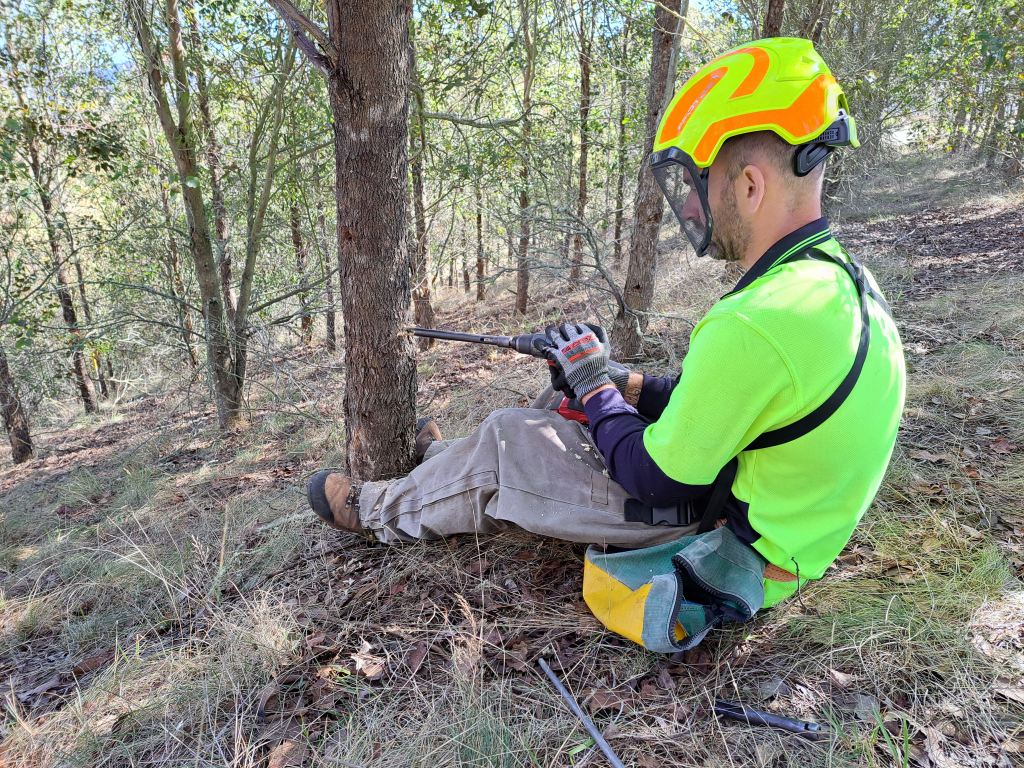
Figure 1. Cordless drill mounted with stem corer extracting a core from an E. bosistoana in the Dillon progeny trial, Marlborough
The cores were assessed for heartwood diameter and extractive content using Near Infrared Spectroscopy (NIR). These assessments were undertaken by Dr. Monika Sharma in the School of Forestry at the University of Canterbury School of Forestry.
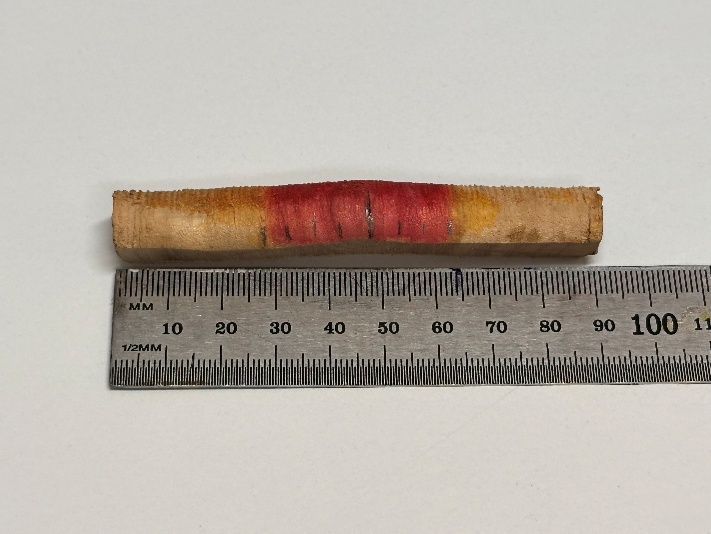
Figure 2. Staining the core reveals the heartwood zone in pink
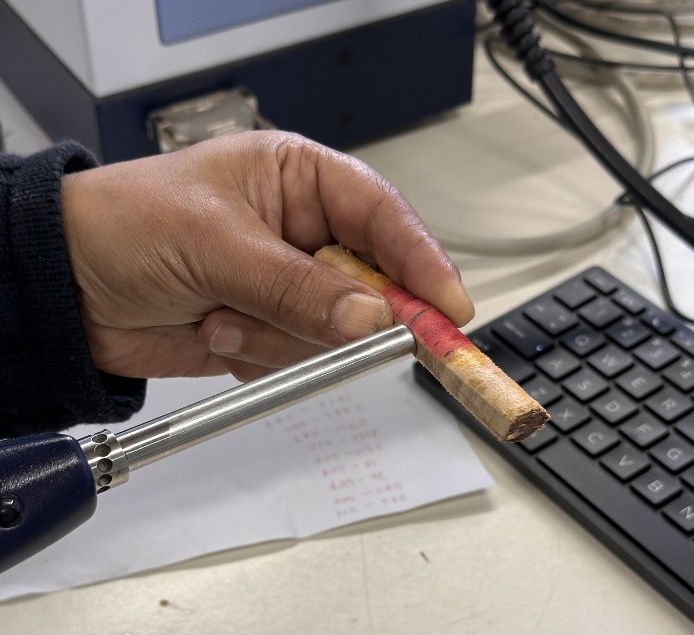
Figure 3. Sanded face of core is scanned with NIR to evaluate heartwood quality (extractive content) at the School of Forestry, University of Canterbury
To rank the families, the breeding values (BVs) for DBH, combined straightness and form, heartwood diameter and extractive content were weighted equally. The top 24 families were identified and one to three elite trees in each of these families were selected in the Dillons trial. The predicted genetic gain from these families is shown in Table 1. Intensifying the family selection to the top 10 families would give a greater gain in heartwood diameter, but reduces genetic diversity.
Table 1: Percentage genetic gains for individual traits of E. bosistoana compared to the population mean
| Trait | Site | Top 10 families | Top 24 families |
| DBH | Dillon | 14% | 17% |
| McNeill | 19% | 19% | |
| Combined Straightness and Form | Dillon | 43% | 43% |
| McNeill | 53% | 43% | |
| Heartwood diameter | Dillon | 21% | 13% |
| McNeill | 20% | 14% | |
| Predicted extractive content | Dillon | 12% | 11% |
| McNeill | 16% | 14% | |
There is a high correlation of the breeding values across the two sites, Dillon and McNeill, for each of the target traits. This is expressed as a low genetic-by-environment interaction, which was also recorded across the 2009 and 2010 progeny trials. This implies that improved genetics will perform equally well on a range of sites.
Both trials were thinned in October 2025.
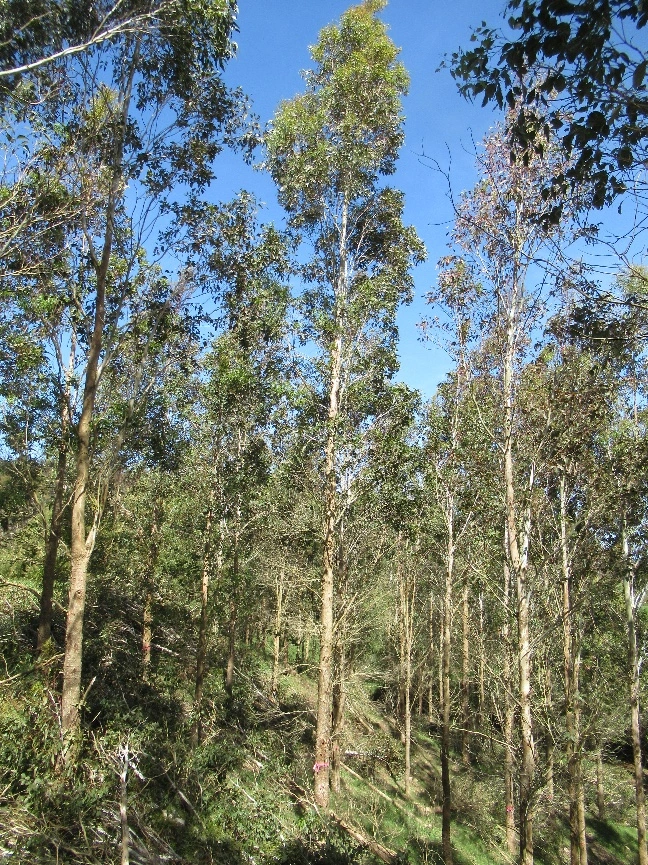
Figure 4: Elite E. bosistoana tree within 2012 progeny trial following thinning in October 2025, McNeills in Hawkes Bay.
Thinning was followed by collection of scion material in January 2026 from the elite families in the Dillon trial. This was then grafted onto rootstock by Proseed.
Scion material was also collected from a small number of families planted in the E. bosistoana 2010 MDC Cravens Road progeny trial. All scions were successfully grafted to produce clonal stock (see below under Proseed propagation update). These plants will be deployed this spring in NZDFI’s E. bosistoana clonal seed orchard at Proseed’s Amberley site.
Increasing production of high-quality XyloGene® seed from Proseed’s clonal orchards ensures durable eucalypt growers can scale-up planting a durable hardwood forest resource with the best genetics available.
Special thanks to our landowners Susan Dillon at the Throne in Marlborough and Ben McNeill at Waimarama in Hawkes Bay. Thanks also to Juken NZ Ltd, Wairarapa.
↑ Top
Mapping and assessment of 2021 E. globoidea 2nd generation seed orchard
NZDFI’s E. globoidea breeding population was established in 2011 to test 135 open-pollinated seedlots collected from across the native range of the species in south-east Australia and another 30 open-pollinated seedlots from three NZ woodlots. Over 26,000 seedlings were planted in three progeny trials.
Progeny testing is the fundamental activity in tree improvement. It is required to calculate the breeding values of individual families and therefore identify the best genetics for further development and commercial deployment.
Unlike E. bosistoana, the reproductive biology of E. globoidea has proven to be difficult due to grafting incompatibility between root stock and scion collected from the elite trees. This means that full-scale establishment of a clonal seed orchard by Proseed has not been possible.
The progeny trials are sexually mature and to increase production of commercial quantities of improved seed, , they were thinned and utilised as seedling seed stands. E. globoidea displays precocious flowering and seed production so that collections started in 2020 when trees were eight years old. This collection included elite tree seedlots of 21 superior families. These were deployed in five seedling seed orchards planted in 2021 in four different regions.
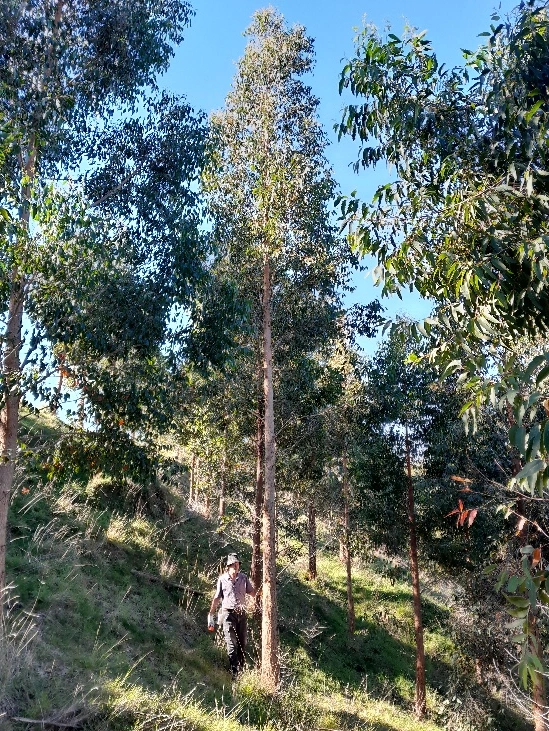
Figure 5: Kevin Thomsen alongside four-and-a-half-year-old elite E. globoidea in NZDFI’s second-generation XyloGene® seedling seed orchard, Hawke’s Bay, April 2026.
One of these seed orchards is located on a Hawkes Bay farm owned by John and Sue Upton. This was planted with 1415 pedigreed seedlings propagated from seed of the 21 superior families collected in 2020. The 3 m x 3 m spacing allowed for early thinning to rogue around 370 poor trees and slips caused by Cyclone Gabriel took out another 50.
In November 2025, a drone survey obtained hi-res aerials for ground mapping each tree and LiDAR was used to measure the height of all surviving trees. Field work was undertaken in April 2026 to number 860 trees; record their pedigree and to assess for seed. Many have excellent growth and form with the LiDAR heights of several trees exceeding 10 m. Around 40% are carrying a seed crop - a real bonus. Another 130 trees were identified for thinning which was done in May. The orchard has been fully mapped by Buck Forestry and a database created with the individual tree pedigree and heights measured by LiDAR.
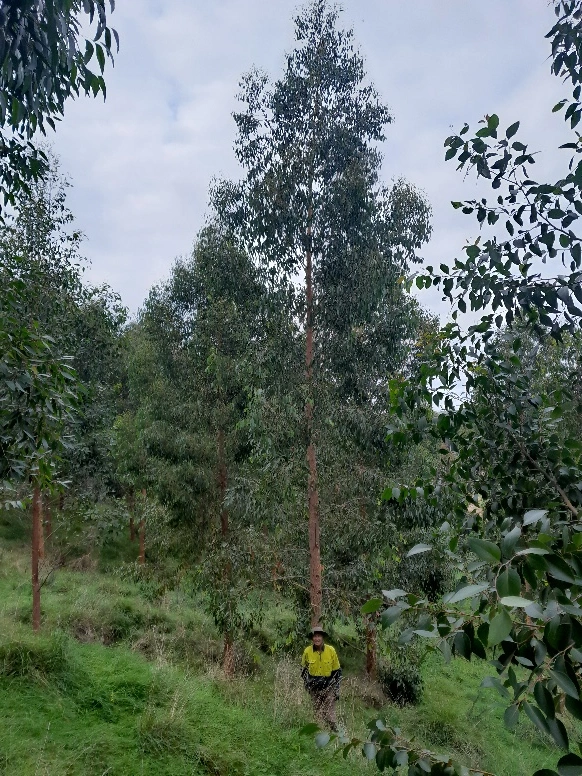
Figure 6: Paul Millen alongside four-and-a-half-year-old elite E. globoidea in NZDFI’s second-generation XyloGene® seedling seed orchard, Hawke’s Bay, April 2026.
The next stage is for our tree breeder Ruth McConnochie to complete a DBH and form assessment and to establish two or three permanent sample plots (PSPs). Using this data, she can identify plus trees for 2nd generation ortets and develop a commercial seed collection plan.
Seed collection is planned for spring 2026. A breeding value will be calculated and a XyloGene® 2nd generation seedlot will be offered for sale in time for 2027 production. In addition, seed collected from the best trees of each family will be put into storage for ongoing genetic improvement via new seedling seed orchards. From these seedlots, the best 10-12 families could be deployed in 3rd generation seedling seed orchards in 2027 or 2028.
This orchard is one of the sites that will be visited during our national field day on 17 February 2027.
↑ Top
E. globoidea seed collection completed in Gippsland, Victoria
Before NZDFI’s breeding programme began, durable eucalypts planted in New Zealand were unimproved, i.e. they were grown from seed collected from natural Australian forests or were the progeny of early New Zealand plantings. There is considerable genetic diversity within these species so significant improvement is possible.
NZDFI’s current E. globoidea breeding programme is based on the 160 family seedlots collected in 2010 from mother trees growing in native forests across the natural range of the species from the eastern New South Wales and Victoria in Australia and from New Zealand stands growing in the Bay of Plenty and Banks Peninsula. These seedlots were propagated and deployed in the three progeny trials planted in 2011 and were the foundation for selecting elite families that were deployed in our 2021 seed orchards.
Our selection of elite families has highlighted the native forest areas in southeast Australia with genetics that are well suited to New Zealand’s northern regions. In order to extend our breeding programme in the future with an infusion of additional genetics, a collection of 153 native forest family seedlots was made from across nine provenances during spring 2025.
The seed was cleared by Customs early in 2026 and is now held in storage by Proseed in their seed containment facility at Amberley.
Substantial investment is required to test and identify additional elite genotypes that could extend genetic improvement of this species.
↑ Top
Proseed propagation update on E. globoidea
Contributor: Paul Schroeder, Proseed NZ
Over the last 12 months we have had promising results with the latest E. globoidea grafting. There have been two different approaches taken.
One of these is the use of a hot tube that is providing local warmth to graft unions which is resulting in some successful grafting (see photo of hot tube).

Figure 7: E. globoidea grafted clones in novel tube propagation unit built by Proseed NZ, Amberley, December 2025.
A fogging chamber has also been built and is working (see photo). A major test of this is planned for early spring.
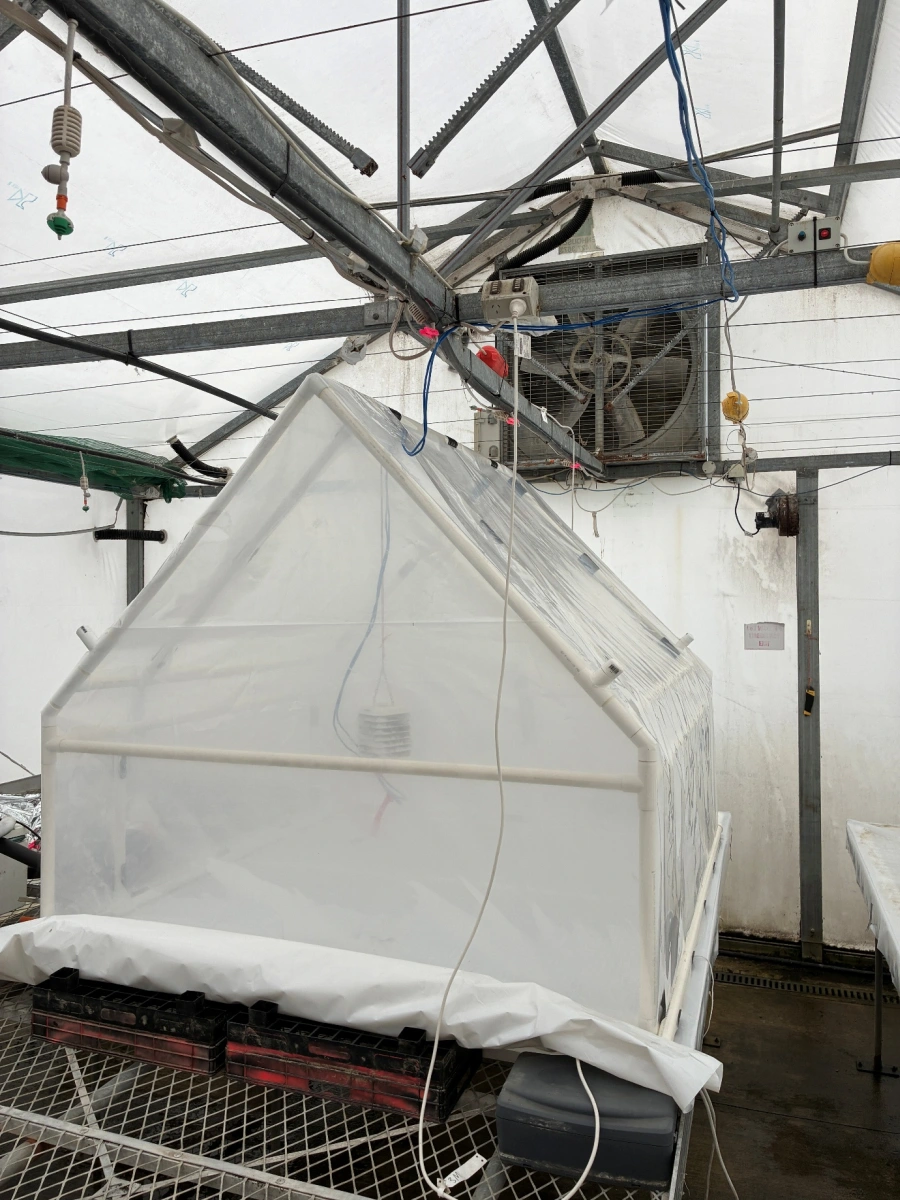
Figure 8: New fogging tent to assist propagation of E. globoidea grafted clones built by Proseed NZ, Amberley, June 2026.
The successful grafted clones from earlier work are growing well and are shown in the photo below. These will be deployed in a new seed orchard at Amberley.
↑ Top
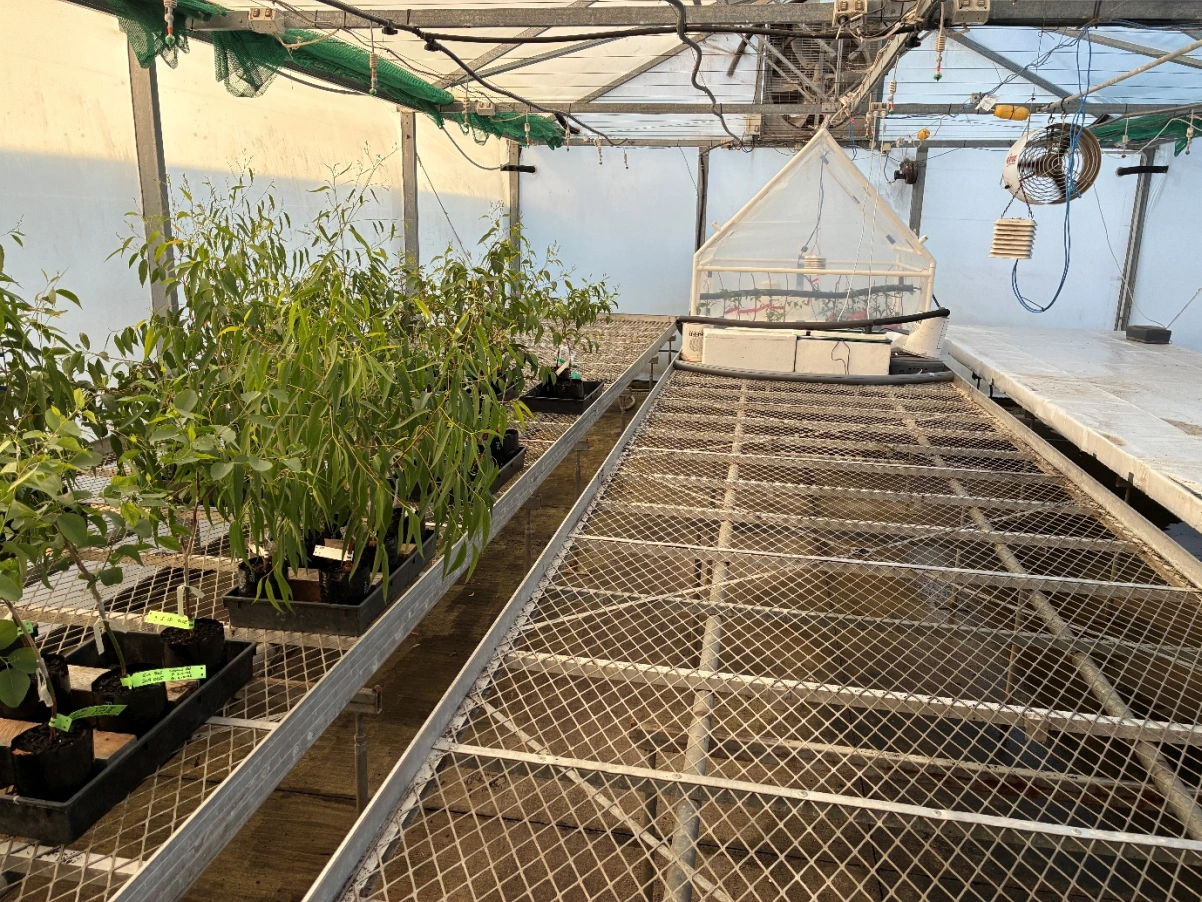
Figure 9: Some of Proseed’s E. globoidea grafted clones, June 2026.
Updates from UC/NZDFI’s PhD students
There are four PhD candidates finishing their thesis this year. They have tackled a diversity of key research questions about durable eucalypts including:
- remote sensing technologies to assess defoliation in E. bosistoana
- utilising E. bosistoana in CLT (cross laminated timber) engineered wood products
- genetic and environmental factors affecting natural durability of E. bosistoana
- the contribution of acidic polysaccharides to drying collapse and growth stresses in eucalypts.
In addition, progress is underway by another PhD student to investigate the potential use of naturally durable eucalypts as a bioenergy resource with the aim to add value to biomass and processing residues.
All of them are committed to achieving excellence in their PhD study and have a keen interest in contributing to the success of NZDFI’s R&D programme.
We really appreciate their work.
Update from Shiva Pariyar
I am completing the final year of my PhD, focusing on the remote sensing of foliar insect herbivory in Eucalyptus forests in New Zealand.
Over the past three years, I have published a review paper “Remote Sensing of Foliar Insect Herbivory in Broadleaved Forests: A Systematic Review” in Current Forestry Reports. The review synthesised studies published between 2010 and 2026, categorising them by insect feeding guild and operational scale to identify key advances, research gaps, and future opportunities for remote sensing-based herbivory detection, mapping and monitoring.
I have prepared a manuscript titled “Climate-driven habitat suitability and future range dynamics of tree-defoliating invasive paropsine beetles”. This study used species occurrence records, environmental predictors, and MaxEnt models to predict the current and future potential distributions of nine invasive paropsine beetle (Coleoptera: Chrysomelidae) species in New Zealand. Baseline modelling showed widespread habitat suitability for Paropsis charybdis, Dicranosterna semipunctata, and Paropsisterna cloelia, with suitability covering 75.8%, 54.1%, and 39.2% of New Zealand’s land area, respectively. Host-specific richness hotspots indicated elevated herbivory risk mainly in northern regions, while future projections under SSP126, SSP370, and SSP585 suggested broad persistence of suitable habitats, with southward and upslope range expansion under climate change.
I have also developed a UAV LiDAR-based predictive model to quantify individual tree-level foliar herbivory caused by chewing insects in Eucalyptus bosistoana. Using Zenmuse L1 LiDAR metrics and ground-measured herbivory from 408 trees across three NZDFI sites, the model explained 74% of the variation in tree-level herbivory. This provides a fast, objective, scalable, and efficient method for assessing defoliation severity across E. bosistoana stands. Collectively, these research outputs are expected to provide direct practical value to the NZDFI programme by supporting the selection of more insect-resilient Eucalyptus cultivars, improving pest and silvicultural decision-making, and strengthening the case for naturally durable eucalypts in New Zealand’s drylands as a complementary alternative to monocultural Pinus radiata plantations.
↑ Top
Update from Milad Lezgi
Milad’s PhD thesis is completed. His research explored the feasibility of using high-stiffness, naturally durable Eucalyptus bosistoana in mass timber applications.
One of Milad's PhD chapters has just been published that is titled "Orthotropic elastic and strength properties of Eucalyptus bosistoana as an emerging high-density hardwood construction material". This is available under open access by using this link: https://www.sciencedirect.com/science/article/pii/S2214509526003980
↑ Top
Update from Hasini Hewawitharanage
I investigated the variation of non-cellulosic cell wall polysaccharides within the Woodville Eucalyptus quadrangulata breeding population. This work aimed to identify both phenotypic and genotypic correlations among individual polysaccharide monomers and their relationships with structural wood properties. Several significant associations were identified, providing insights into how cell wall chemistry influences wood quality traits.
To enable the practical application of these findings in tree breeding and large-scale screening programmes, I investigated whether non-cellulosic polysaccharide composition could be predicted using Fourier Transform Near-Infrared (FT-NIR) spectroscopy, a rapid, non-destructive alternative to conventional wet chemistry. Prediction models were developed for eight target monomers, of which five achieved sufficient predictive accuracy for practical application. These models provide an efficient approach for estimating cell wall chemistry and could also be used to predict other wood properties that are strongly correlated with polysaccharide composition.
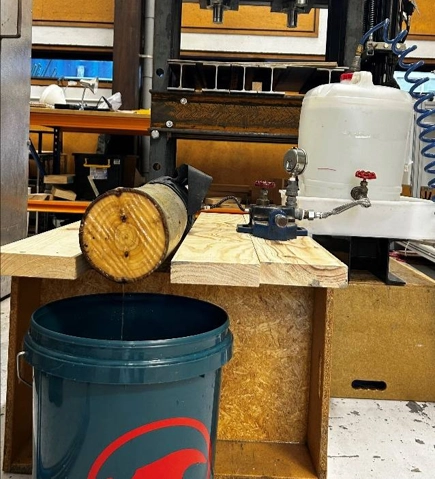
Figure 10: Experimental set-up for replacing the cell sap with different treatments.
My current research focuses on modifying the sap environment within wood to reduce drying defects. This involves investigating the effects of different inorganic ions, enzymes, and pH conditions on wood collapse during drying. The objective is to determine whether manipulating the internal chemical environment of wood can promote more uniform drying and ultimately reduce collapse and other drying-related defects.
↑ Top
Update from Frederick Anthonio
My project aims to quantify the relative contributions of genetic and environmental factors to variation in durability-related traits in Eucalyptus bosistoana (Myrtaceae). The outcomes will support the identification and deployment of naturally durable trees for high-value outdoor applications, including decking and vineyard posts.
My study began with the assessment of genetic variation in heartwood characteristics and growth traits across the 2009 and 2012 NZDFI breeding populations. Further, phenotypic evaluations of natural durability were conducted using standardised pure culture decay tests (EN 350, 2016; EN 113-2, 2020). While these methods provide reliable measures of decay resistance, they are labour-intensive, time-consuming, and require large numbers of replicates, making them impractical for screening extensive breeding populations.
To address this limitation, a rapid indirect prediction approach was developed. Near-infrared (NIR) spectroscopy of heartwood samples was combined with a principal component analysis (PCA)-logistic regression model to predict decay resistance against the white rot fungus Trametes versicolor and the brown rot fungus Coniophora puteana. The model demonstrated some predictive capability.
These results indicate opportunities for incorporating decay resistance into breeding objectives using scalable, non-destructive methods.
Environmental influences were integrated using LiDAR-derived terrain attributes. Linear mixed modelling revealed that some topographic variables influenced durability-related traits.
Building on these findings, ongoing work is now focused on applying machine learning approaches to more effectively capture complex, non-linear relationships between terrain attributes and decay resistance with the aim to improve the identification of key environmental drivers.
↑ Top
Update from Alfie Misena Torres
My work focuses on characterizing naturally durable eucalypts as a potential bioenergy resource with the aim to add value to biomass and processing residues from emerging high‑density Eucalyptus plantations. Eucalyptus species can produce high‑quality biomass; however, moisture and ash content vary and may directly influence fuel performance. By examining this variability, my study could provide essential evidence for integrating durable eucalyptus into New Zealand’s wood‑to‑energy strategy.
To date, research on Eucalyptus bosistoana and E. globoidea is focused on quantifying the variation in moisture content, biomass distribution, and density across different tree components (stem, bark, leaves, and branches). Statistical modeling has shown variability depending on tree size, which serves as the foundation for estimating the green-basis energy content. The green energy content is significant as it directly measures the usable energy stored in freshly harvested biomass, which is essential for evaluating its potential as a renewable fuel source. Since higher moisture lowers heating value, and because moisture content in green wood is inversely related to basic density, dense eucalypts generally deliver higher green-basis energy yields. At the plantation scale, such estimates enable foresters and land managers to calculate the total energy yield (on a mass basis) per hectare of eucalyptus stand, supporting decisions on bioenergy production, carbon sequestration, and sustainable land use.
Another measurement of biomass quality is the concentration of inorganic compounds or ash content. Low overall ash content is advantageous for solid‑fuel applications, while elevated concentrations of alkali and alkaline‑earth metals can accelerate thermal degradation pathways and alter product yields. Inorganic elemental concentrations will be measured in eucalyptus wood with wave-dispersive X-Ray fluorescence analysis.
Leveraging biomass from eucalyptus production offers opportunities to contribute to national greenhouse gas reductions during the energy transition. Importantly, harnessing these biomass residues enhances resource efficiency and strengthens the commercial viability of durable eucalypt forestry in New Zealand.
↑ Top
Publication of earlier PhD completed by Seoljong Kim
In 2024, Seoljong Kim completed his PhD on ‘Population study of a Eucalyptus bosistoana breeding programme’. This populations genomics study now underpins NZDFI’s ongoing breeding and improvement programme. This is now available under open access.
https://www.tandfonline.com/doi/full/10.1080/00049158.2026.2687719
↑ Top
Take a deep dive into the NZDFI website
If growing durable eucalypts is new to you….or you want to know more durable hardwood then take a ‘deep dive’ into our website as this offers a wide range of information.
Our website offers information and guidelines to growers and to wood users backed by science with an extensive on line library that includes scientific reports.
There are videos about species and silviculture as well as all of our Project Updates since 2010.
The development of our website was made possible by the generous support of the Neil Barr Farm Forestry Foundation NZ Farm Forestry - Neil Barr Farm Forestry Foundation
Final word from Paul Millen
In last year’s Project Update, I commented on the end of native logging in the state-owned eucalypt forests of Victoria and Western Australia with many sawmills closing and hundreds of jobs lost. This occurred despite domestic demand for these visually attractive, strong and durable native timbers.
In July 2025, the Australian Federal Government’s Australian Bureau of Agricultural and Resource Economics and Sciences (ABARES 2025) published ABARES Insights (Issue 5), which addressed ‘Australia’s native forest and wood production’:
- ‘The average annual volume of sawlogs, pulplogs and other hardwood products harvested from Australia’s native forests during the period 2016-17 to 2020-21 was 3.9 million cubic metres. This is about a third of the 10.3 million cubic metres harvested annually during the 1996-97 to 2000-01 period.
- Similarly, the average annual value of the native forest harvest in Australia has reduced by over half in real terms to $416 million (in $2020-21) over the same period.
- In 2022-23, the total native forest harvest reduced further to 2.5 million cubic metres.’
Then in September 2025, the New South Wales Government announced plans for a Great Koala National Park, which will further reduce log supply.
Only a few Australian eucalypt plantations are growing durable hardwood, while almost all are E. globulus or E. nitens intended for chip rather than high-value sawn timber.
This reinforces that New Zealand has an immediate market opportunity to sell locally-grown durable eucalypt logs to wood processors in Victoria and NSW. While there is only a modest area of maturing durable eucalypt plantations and woodlots, these offer the basis for a research and development project to evaluate this opportunity. Much of the older durable eucalypt resource is located in Northland. This region could take the lead in developing a hardwood log supply chain economics project as there is local expertise in eucalypt logging and log exports from Marsden Point port.
Northland forest owners could partner with south east Australian sawmillers to evaluate the economic value of a trans-Tasman log (or slabbed logs) trade. This could extend to evaluating logs at Queensland’s Department of Primary Industries Salisbury (Wood) Research Facility in Brisbane.
As our closest neighbour, we have a long history of open trade with few barriers. We need to work with the Australians on developing this opportunity.
↑ Top